Making the Right Choice: Trailhead vs. Backcountry Camping
When planning a trip choosing between a trailhead camp and a backcountry site can change how the whole experience goes. Campsites near the car provide access and an easy way back which can be important when the weather is not good or when people are tired. However backcountry places offer quiet and being in the middle of nature. They also need choices as things can change. Pick the option that works best if the weather is bad or people are tired. If there is a chance of spending a night outside.
Assessing Access Roads If It's Not Clear It's Not Safe
Even if a path looks simple on a map it doesn't mean it's safe or open. Before you go check updates about the road conditions, including closings, required permits, construction, flooding, fire bans and parking rules. Use reports or maps as guides not as information.
The condition of the road to the campsite is very important. A rough road might be okay for a four-wheel-drive vehicle but not for a car or a trailer especially if you arrive after dark. If your route's safety depends on weather know that this is part of the difficulty and be ready to turn back if needed.
Trailhead camping can be an idea if you're not sure about getting if you're with people who don't know the area or if there are other ways out. These spots can be a backup, when exploring new places.
Navigating Conditions: Decisions Along the Way
A weather forecast for the town might not match what you face on your way. Differences in elevation, sun exposure, recent rain or overnight temperatures can create conditions. Check the forecasts, trail updates and guidance from the people who manage the land.
Don't just think about your destination. Think about all the decisions you might have to make during your trip. Rain can make water crossings harder. A sunny day can make snow from early in the season unstable. Strong winds can make ridges dangerous while the trailhead is calm. Think about what the conditions will be like when you get to the parts of your trip.
If you're going into the backcountry make a plan for when things go wrong. Decide in advance that factors like rising water, poor visibility, unsafe trails or broken gear will mean you turn back. It's easier to follow the plan than to make choices when you're tired.
Convenience vs. Recovery: Weighing Your Options
Camping close to the trailhead has benefits in being able to get back. This lets you leave gear in the car walk less protect yourself from weather and get help if needed. More remote spots don't have supervision or phone service. Campers might face trade-offs like noise, privacy and stricter rules about staying overnight.
Moving to backcountry camping needs planning about weight, water and direction. This is best when everyone in the group can carry their gear comfortably if there is a way and if the daylight and skill levels are good enough for the return trip.
Be careful that distance isn't the thing that matters. Short paths with signs, unstable ground or rivers to cross can need thinking than longer paths that are clear. Always choose the route that gives the people in your group a good space for safety and comfort.
Planning for Safety and Communication
It's important to tell someone you trust about your route, when you plan to be and what your backup plansre. Give details like the trailhead location, your car description, the area and places where your plans might change. Explain clearly when this person should call for help if they don't hear from you. Don't promise an arrival time because of delays from trails, weather or how fast you walk.
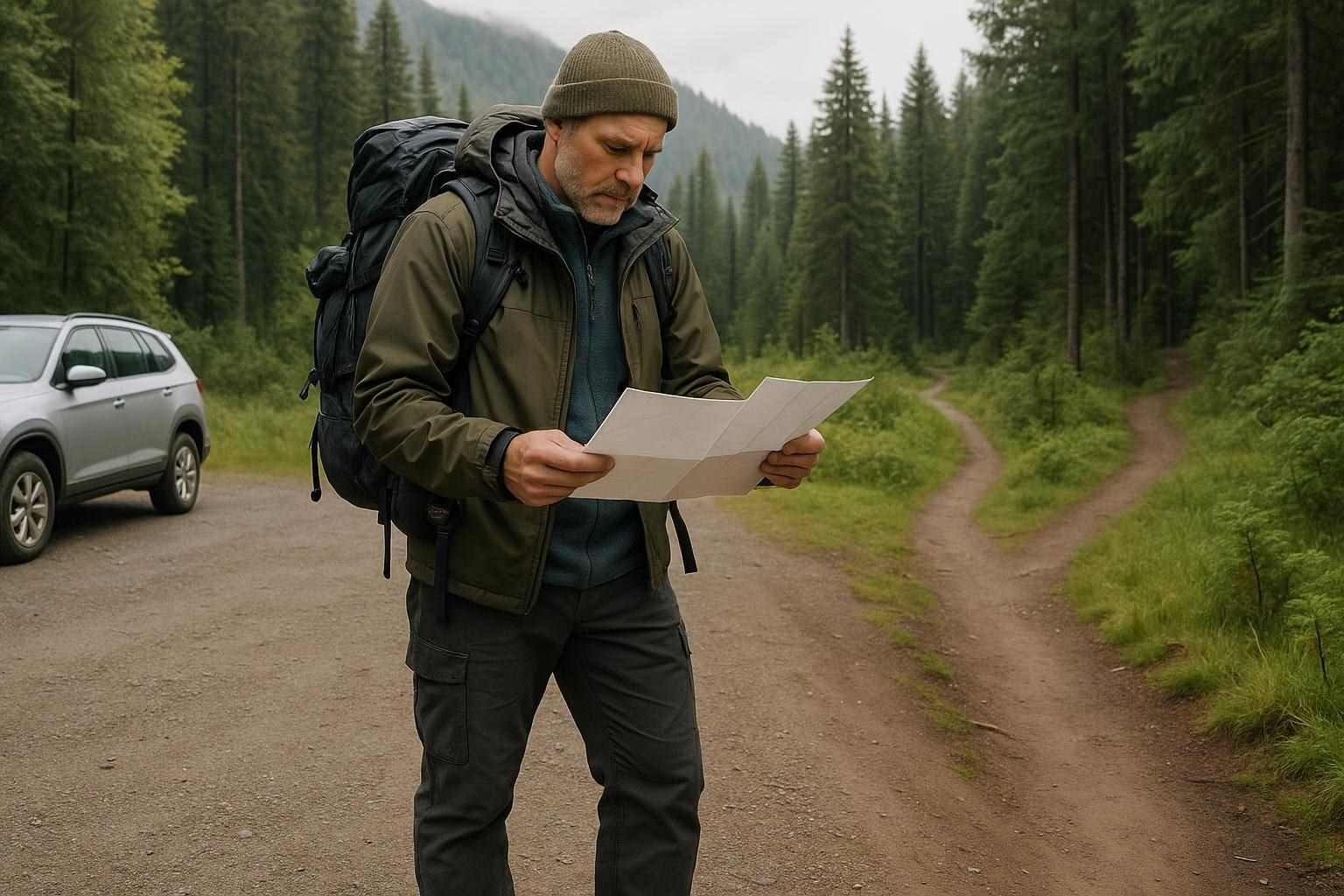
Have working navigation tools even if there is no cell signal. Make sure you can find your position if landmarks disappear. Keep things like lights, warm clothes and first aid supplies easy to get. If someone gets hurt or conditions get worse have a plan for calling for help or getting out following the emergency rules.
Leave time for coming. Many problems happen when a group keeps going to camp in the dark setting themselves up for an exit the morning to meet deadlines.
Be Prepared for the Unforeseen
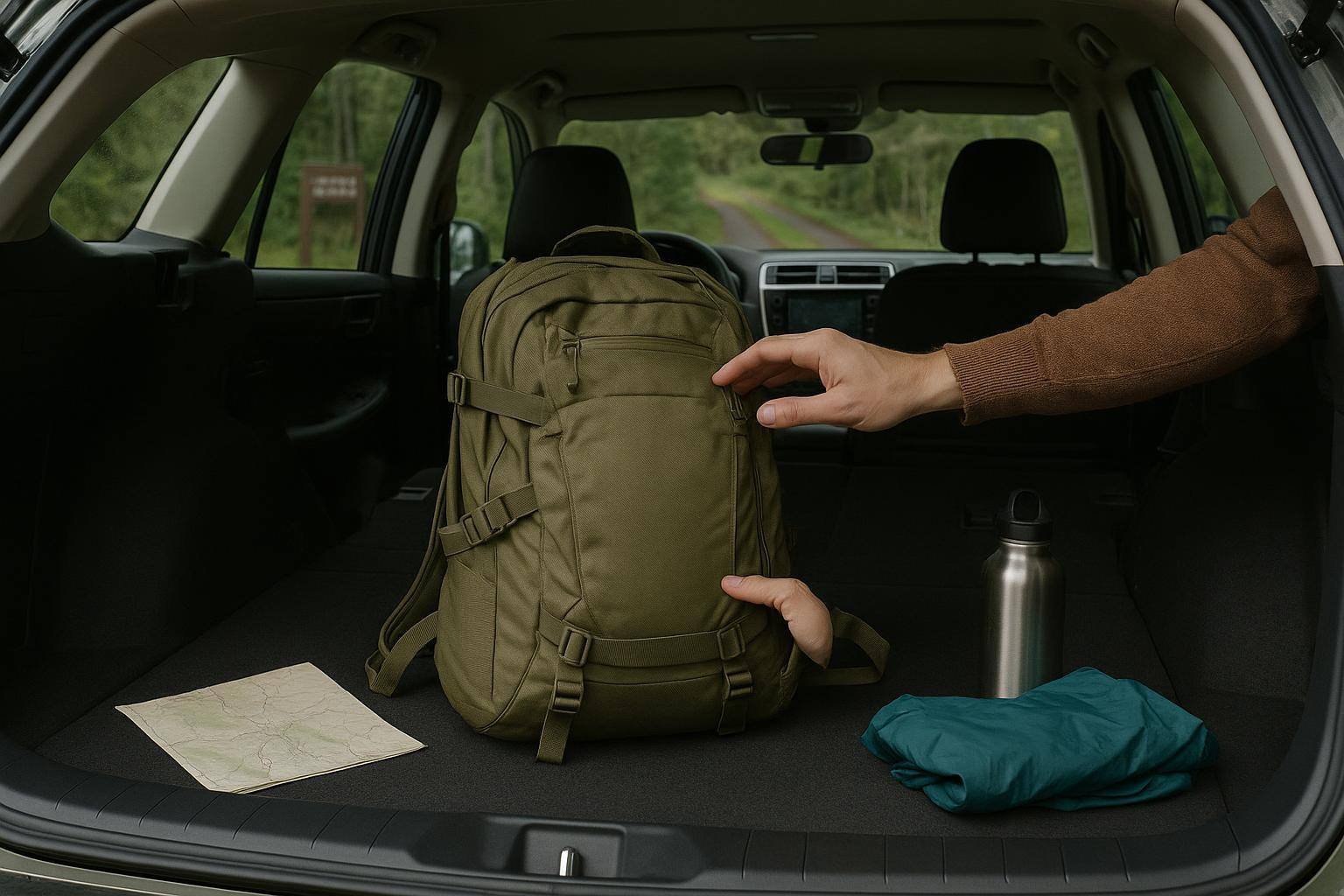
Pack as if the worst happens, not the best weather. If you're going to a campsite you have to walk to make sure you have warmth and shelter if you arrive enough water to drink or treat based on the current rules. For trailhead camping keep a day-hiking bag as plans can change because of closures or car problems.
Before you go check this list for making choices:
– Can everyone carry their share without losing balance or speed?
– Do we have tools to find the way cooking light, extra warm clothes and first aid if things go wrong?
– Is our water plan right for the situation and the local rules?
– What sign will make us change our plan or go back?
– Did we check the sources for the information on getting in permits, fire rules and campsite limits?
Follow the rules for storing food and throwing away trash. Fire rules can change a lot; sometimes stoves are okay. Open fires are not. Never think that old ways are okay in a place.
Leave No Trace for the Next Group
Feeling responsible should guide your choices. Whenever you can use existing places to avoid hurting the environment. Keep tents away from plants. Don't make areas that are already worn worse.
Take all trash with you-food scraps and packaging. Follow the rules for throwing away trash getting water and washing. Keep your noise and lights low as they can be heard far in places.
Finally the best overnight trip is one that you can manage even if you start late the way is. Things get uncomfortable. Simplify your plans: camp, near the car go shorter or save the idea for another time. Adventure is still possible when you plan and stay flexible.